Major Winter Storm Unleashes Havoc: Ice, Snow, & Urgent Warnings Across the US
As a formidable winter storm carves a destructive path across the United States, millions are bracing for, or already contending with, severe weather conditions ranging from crippling ice to heavy snow and dangerously low wind chills. This expansive weather event, initiating its onslaught from Texas and relentlessly pushing eastward towards the Southeast Coast, has already triggered a cascade of critical Weather Winter Storm Warning alerts and advisories, signaling the need for extreme caution and preparedness.
Cities like Atlanta, Georgia, are directly in the storm's crosshairs, with local authorities, including Mayor Andre Dickens, actively engaging residents to ensure their safety amidst the anticipated "crippling ice and snow." The message from emergency services is clear: understand the threat, prepare diligently, and prioritize personal safety above all else.
The Storm's Relentless Path: From Texas to the Southeast Coast
The current major winter storm represents a multi-faceted threat, characterized by its wide geographical reach and diverse precipitation types. Originating in the Southern Plains, the system gathered strength and moisture, blanketing parts of Texas with ice and snow before accelerating towards the Gulf Coast and the Southeastern states. This trajectory means that regions typically less accustomed to significant winter weather are now grappling with conditions that could paralyze infrastructure and create widespread hazards.
In addition to heavy snowfall, ice accumulation is a particularly insidious danger. Even a quarter-inch of ice can add hundreds of pounds to tree branches and power lines, leading to snapping and subsequent power outages. Driving conditions become treacherous, turning what might appear as a minor inconvenience into a potentially life-threatening situation. Communities are mobilizing, but the sheer scale of this storm necessitates individual responsibility and adherence to official safety guidelines. Public officials are urging residents to monitor local forecasts continuously, as the exact timing and intensity of snowfall and ice can vary significantly even within a small area.
Decoding Winter Weather Warnings: Understanding the Nuances
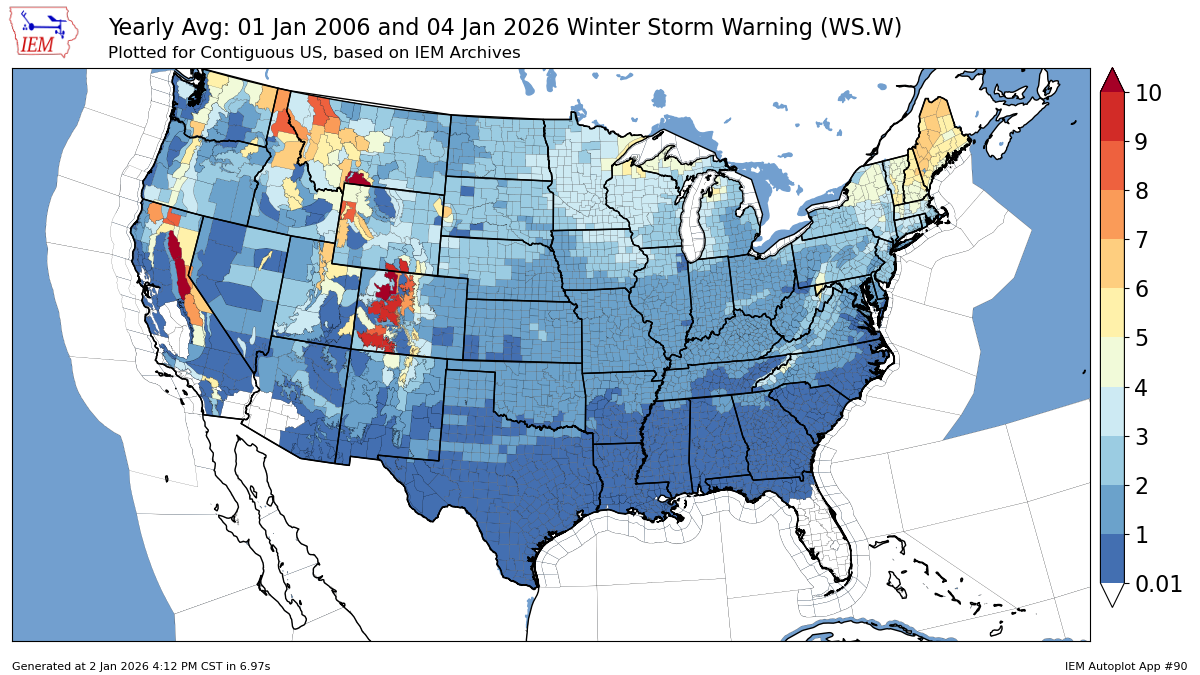
Navigating a major winter storm requires more than just knowing it's coming; it demands a precise understanding of the various alerts issued by your local National Weather Service (NWS) office. These warnings, watches, and advisories are meticulously tailored to specific local criteria, reflecting the unique meteorological conditions and typical impacts of different regions. For instance, the snow accumulation required to trigger a comprehensive Weather Winter Storm Warning in the Northern Plains might be substantially higher than in the Southeast, where lesser amounts can cause significant disruption. This regional differentiation underscores why it's vital to Stay Safe This Winter: How Storm Warnings Differ Regionally & What to Do.
Key Warnings Explained:
- Blizzard Warnings: These are issued for the most severe winter conditions, where frequent gusts of 35 mph or more combine with falling and/or blowing snow to reduce visibility to less than a quarter-mile for three hours or longer. Travel under a Blizzard Warning is considered extremely dangerous, leading to whiteout conditions. Action: Do not travel. If stranded, stay with your vehicle and have a winter survival kit.
- Winter Storm Warnings: Signifying a significant winter weather event, these alerts cover a combination of snow, ice, sleet, or blowing snow. Such conditions make travel difficult or impossible. A Weather Winter Storm Warning is a direct call to action for delaying travel plans until conditions improve.
- Ice Storm Warnings: Typically issued for anticipated ice accumulations of around a quarter-inch or more, these warnings highlight the danger of widespread power outages, downed tree branches, and extremely hazardous travel. Action: Travel is strongly discouraged.
- Wind Chill Warnings: These alerts are triggered by a perilous combination of very cold air and strong winds, creating dangerously low wind chill values that can lead to frostbite and hypothermia within minutes. Action: Avoid going outdoors; if you must, wear multiple layers of warm, protective clothing.
- Lake Effect Snow Warnings: Specific to areas downwind of large unfrozen lakes, these warnings indicate localized, heavy snow squalls producing significant accumulation in narrow bands. Visibility can drop suddenly, making driving hazardous.
Real-World Impacts: A Glimpse into Northern California and Beyond
To understand the tangible implications of a comprehensive Weather Winter Storm Warning, one can look to recent events in Northern California. The NWS Sacramento issued a Winter Storm Warning for areas including Shasta Lake, Burney Basin, the Northern Sacramento Valley, and the Sierra Nevada foothills. This specific warning detailed anticipated impacts: additional snow accumulations of up to a foot between 1,000 and 3,000 feet, and a staggering 2 to 3 feet (or even 4 feet at peaks) above 3,000 feet. Even elevations below 1,000 feet were warned of light snowfall.
Coupled with snow, winds gusting as high as 45 to 55 mph presented a severe threat. The real-world consequences included:
- Dangerous to Near-Impossible Travel: Chain controls became mandatory, and numerous road closures were enacted, effectively isolating communities and rendering travel perilous.
- Widespread Power Outages: The combination of heavy, wet snow, strong winds, and accumulating ice led to downed trees and power lines, cutting electricity to thousands of homes and businesses.
- Severely Reduced Visibility: Gusty winds whipping heavy snow created whiteout conditions, making driving and outdoor activities incredibly risky.
These scenarios, playing out across California, serve as a stark reminder of what other regions, especially the Southeast, can expect as the current major storm progresses. Preparedness is not merely advisable; it is essential for safety and survival.
Essential Preparedness and Safety Measures During a Winter Storm
Facing a Weather Winter Storm Warning demands proactive measures. Here are critical steps to ensure your safety and that of your loved ones:
- Stay Informed: Continuously monitor local weather forecasts through reliable sources like NOAA Weather Radio, local news, or trusted weather apps. Be aware of the specific warnings issued for your area.
- Prepare an Emergency Kit: Assemble a kit with essential supplies, including non-perishable food, water (one gallon per person per day for at least three days), blankets, flashlights, extra batteries, a first-aid kit, and any necessary medications. Don't forget chargers for mobile devices.
- Secure Your Home: If power outages are likely, charge all electronic devices. Ensure your home is well-insulated. Have alternative heating sources ready, but always ensure proper ventilation to prevent carbon monoxide poisoning if using generators or fuel-burning heaters.
- Limit Travel: This is perhaps the most crucial advice during a major winter storm. If a Weather Winter Storm Warning or Ice Storm Warning is in effect, avoid all non-essential travel. If you must venture out, inform someone of your route and estimated arrival time, and carry a winter survival kit in your vehicle.
- Stay Warm: Dress in layers, wear a hat, gloves, and waterproof outer clothing if you need to go outside. Be aware of the signs of frostbite and hypothermia.
- Check on Neighbors: Especially elderly or vulnerable individuals, ensure they are safe and have necessary supplies.
- Generator Safety: If you use a generator, always operate it outdoors and away from windows to prevent carbon monoxide buildup inside your home.
- Clear Snow Safely: If you need to shovel snow, do so in short intervals, take breaks, and avoid overexertion, which can lead to heart attacks.
The current major winter storm sweeping across the US is a powerful reminder of nature's formidable force. With dangerous ice and snow impacting vast swathes of the country, from Texas to the Southeast Coast, understanding and heeding a Weather Winter Storm Warning is paramount. By staying informed, preparing thoroughly, and prioritizing safety, communities and individuals can navigate these challenging conditions and minimize the potential for disaster. The time for vigilance and action is now.